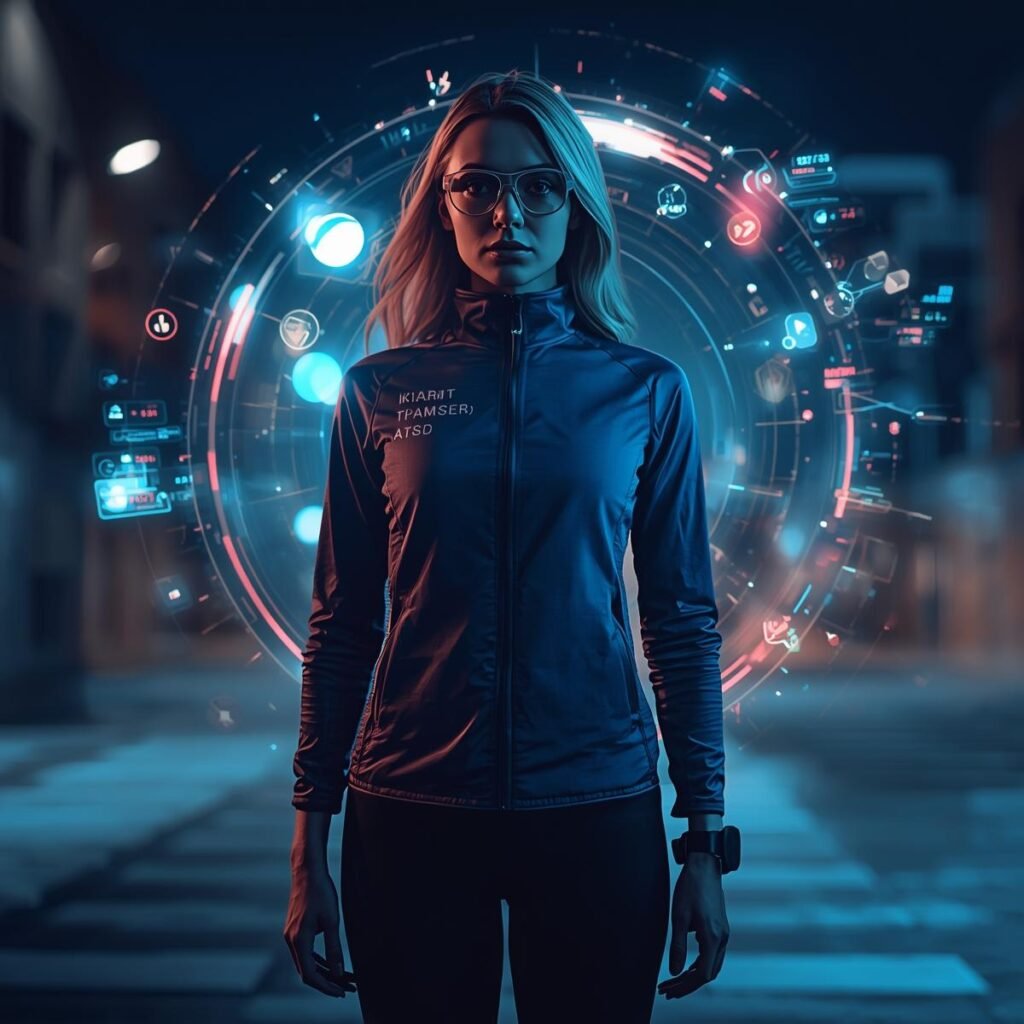

Wearable technology has moved from research labs into daily life. Devices that once focused only on fitness tracking now influence clothing design, retail strategy, and consumer behavior. Fashion and technology no longer operate in separate industries. They intersect through data collection, connectivity, material innovation, and digital integration.
This article explains how wearable technology is transforming modern fashion through product development, consumer engagement, retail systems, sustainability, and brand strategy.
The Evolution Of Wearable Technology In Fashion
Wearable technology began with devices focused on health tracking. Fitness bands and smartwatches introduced consumers to body data such as steps, heart rate, and sleep patterns. Over time, manufacturers integrated sensors, processors, and connectivity modules into garments and accessories.
Fashion brands recognized that wearable technology could extend beyond function. It could influence design, personalization, and long term customer relationships.
Integration Of Electronics Into Clothing
Modern wearable fashion includes:
- Embedded sensors
- Conductive threads
- Flexible circuits
- Microprocessors
- Bluetooth connectivity
These components allow garments to collect and transmit data without separate devices.
Examples of wearable integration include:
- Jackets with temperature regulation
- Shoes with motion tracking
- Shirts monitoring heart rate
- Bags with charging systems
This integration changes how clothing functions in daily life.
Data Driven Fashion Experiences
Wearable technology generates real time user data. This data influences:
- Product development
- Inventory planning
- Personalized marketing
- Performance improvement
Brands analyze user behavior to understand usage patterns. Data collected through wearable devices allows companies to adjust sizing systems, improve fit, and design clothing based on actual movement.
Health Monitoring And Fashion
One of the strongest impacts of wearable technology in fashion is health monitoring. Garments with sensors measure:
- Heart rate
- Body temperature
- Activity level
- Posture
- Sleep patterns
This data supports both personal health management and product innovation. Sportswear companies use collected information to refine performance clothing.
Connectivity And Smart Ecosystems
Wearable devices connect to smartphones and cloud platforms. Clothing integrated with technology becomes part of a digital ecosystem.
For example:
- A jacket connects to a mobile app
- Shoes sync with training platforms
- Smart accessories integrate with navigation systems
This connectivity transforms clothing into an interactive tool.
Fashion Personalization Through Technology
Wearable technology supports personalization at scale. Through data analysis, brands can:
- Recommend products
- Suggest sizing
- Adapt design based on user behavior
- Provide tailored notifications
Personalization improves user retention and increases purchase frequency.
Impact On Retail And E Commerce
Wearable technology influences retail in several ways:
- Product differentiation
- Digital marketing integration
- Subscription models
- Software updates for clothing
Brands now sell not only garments but also software connected to those garments. This creates recurring revenue models.
E commerce platforms integrate wearable compatibility features into product pages, helping customers understand device integration.
Manufacturing Changes Driven By Wearable Innovation
Traditional clothing manufacturing focused on fabric and construction. Wearable fashion requires collaboration between:
- Textile engineers
- Software developers
- Hardware engineers
- Data analysts
Factories adapt production lines to include sensor installation and circuit integration.
Quality control processes now include electronic testing in addition to fabric inspection.
Sustainability And Wearable Technology
Wearable technology can support sustainability goals by:
- Monitoring garment lifespan
- Tracking usage frequency
- Supporting repair programs
- Reducing overproduction through demand forecasting
Data from wearable products allows brands to improve production accuracy and reduce waste.
Challenges In Wearable Fashion
Despite growth, wearable technology presents challenges:
- Battery limitations
- Durability during washing
- Privacy concerns
- Cost of production
- Data security risks
Brands must address these factors to maintain consumer trust.
Privacy And Data Protection
Wearable devices collect personal data. Fashion brands entering this space must comply with data protection laws and ensure:
- Secure cloud storage
- Transparent data usage policies
- User consent systems
Failure in data protection damages brand reputation.
Influence On Design Process
Designers now consider:
- Placement of sensors
- Wire routing
- Charging access
- Device comfort
- Heat management
Design planning includes both aesthetic and technical requirements.
This shifts fashion design into a multidisciplinary process.
Role Of Artificial Intelligence In Wearable Fashion
Artificial intelligence processes data from wearable devices. AI systems analyze:
- Movement patterns
- Health metrics
- Environmental conditions
Insights guide new product creation and consumer recommendations.
AI also predicts future trends based on wearable usage data.
Consumer Behavior Shift
Consumers now expect:
- Connectivity
- Health tracking
- Device compatibility
- Long term software support
Clothing becomes part of digital identity.
This expectation reshapes purchasing decisions.
Market Growth And Industry Expansion
The wearable technology market continues expanding across:
- Sportswear
- Medical clothing
- Corporate uniforms
- Safety gear
- Everyday fashion
Fashion brands collaborate with technology companies to remain competitive.
Education And Skill Development
Fashion education programs now include:
- Smart textile engineering
- Digital prototyping
- User interface design
- Data analysis basics
New skill sets are required to operate in this space.
Future Outlook
Wearable technology will continue transforming fashion through:
- Biometric clothing
- Adaptive garments
- Cloud connected accessories
- Predictive analytics
As integration deepens, fashion becomes a platform for interaction rather than static fabric.
Conclusion
Wearable technology is transforming modern fashion by merging clothing with data systems, connectivity, and digital platforms. From health monitoring to retail integration, wearable innovation changes design, production, marketing, and consumer engagement. Fashion is evolving into a technology driven industry where garments collect information, connect to ecosystems, and adapt to user behavior.

