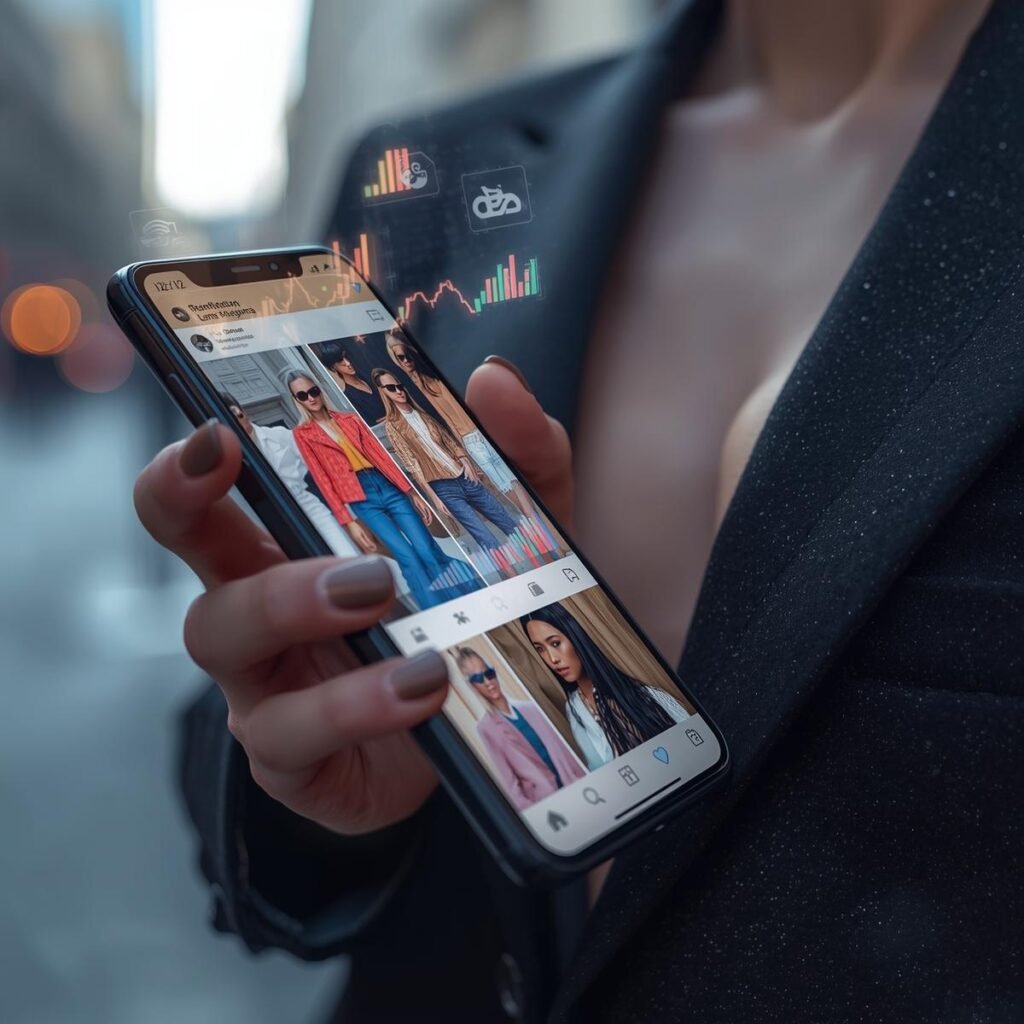

Fashion trends no longer emerge only from runway shows or seasonal collections. Social media platforms now play a central role in shaping what consumers see, share, and purchase. Algorithms determine which posts appear in user feeds, which creators gain visibility, and which products receive engagement.
Understanding how social media algorithms influence fashion trends is essential for brands, designers, and digital marketers operating in the online environment. Algorithms control distribution, visibility, and reach, making them a driving force behind modern fashion cycles.
This article explains how algorithms work, how they affect trend formation, and how fashion brands can align their strategies with platform systems.
What Is A Social Media Algorithm
A social media algorithm is a system that ranks and prioritizes content based on user behavior and engagement signals. Instead of displaying posts chronologically, platforms analyze data to decide what content appears first.
Algorithms evaluate factors such as:
- Likes
- Comments
- Shares
- Watch time
- Click-through rate
- Search behavior
- Profile visits
These metrics determine content reach.
Platforms Driving Fashion Trends
Several platforms influence fashion visibility through algorithmic systems.
Instagram prioritizes content that generates engagement. Posts with high interaction rates appear on explore pages and suggested feeds.
Fashion creators use:
- Reels
- Carousel posts
- Outfit breakdowns
- Brand collaborations
The algorithm favors short-form video content with high completion rates.
TikTok
TikTok operates through a recommendation system called the For You page. The algorithm analyzes watch time, replays, and engagement behavior.
Fashion trends often emerge from:
- Outfit transformation videos
- Styling challenges
- Hashtag campaigns
- Influencer reviews
TikTok accelerates trend cycles due to rapid content distribution.
Pinterest functions as a visual search engine. Its algorithm prioritizes content based on search intent and saved pins.
Users search for:
- Seasonal outfit ideas
- Event styling inspiration
- Capsule wardrobe planning
Search driven discovery influences purchasing decisions.
How Algorithms Create Fashion Virality
Fashion trends spread when content receives algorithmic amplification.
The process includes:
- Creator posts fashion content
- Early engagement signals platform relevance
- Algorithm distributes content to wider audience
- More users interact and replicate style
- Trend gains mass visibility
Repetition reinforces popularity.
Algorithms reward content that keeps users active on the platform.
Engagement Signals That Influence Fashion Visibility
Algorithms rely on measurable signals.
Key engagement drivers include:
- Watch duration
- Save rate
- Share rate
- Comment volume
- Profile clicks
- Hashtag relevance
High retention indicates content value.
Fashion brands optimize content to increase these signals.
Influencer Impact And Algorithm Boost
Influencers operate within algorithm systems to drive fashion trends.
When influencers post styling content:
- Followers engage rapidly
- Algorithms detect high interaction
- Content spreads beyond follower base
- Brands gain exposure
Micro influencers often achieve strong engagement rates.
Authenticity signals influence algorithmic performance.
User Generated Content And Trend Acceleration
User generated content contributes to algorithmic growth.
When customers post:
- Outfit photos
- Product reviews
- Styling tutorials
- Trend recreations
Algorithms identify engagement clusters.
Clustered engagement increases visibility of related content.
Trend cycles shorten as replication increases.
Algorithm Driven Personalization
Social media platforms personalize feeds based on user history.
If a user engages with fashion content:
- The algorithm displays more fashion posts
- Similar brands appear in suggestions
- Sponsored ads align with viewing behavior
Personalized exposure influences purchase behavior.
Consumers may perceive algorithmic suggestions as organic discovery.
Hashtags And Discoverability
Hashtags categorize fashion content.
Algorithms analyze hashtag relevance to:
- Match content with user interests
- Group related posts
- Identify trend clusters
Strategic hashtag use increases exposure probability.
However, algorithm performance depends more on engagement than hashtag quantity.
Short Form Video And Fashion Trend Growth
Short form video content dominates algorithmic ranking.
Video formats support:
- Styling demonstrations
- Before and after transitions
- Fashion haul reviews
- Trend comparisons
High watch completion rates signal relevance.
Algorithms prioritize content that holds attention.
Data Analytics And Trend Forecasting
Brands use social media data to predict fashion trends.
Metrics analyzed include:
- Engagement spikes
- Hashtag growth rate
- Influencer adoption patterns
- Geographic trend concentration
Data platforms monitor conversation volume.
Early detection supports faster product launches.
Paid Advertising And Algorithm Influence
Social media algorithms also manage paid advertisements.
Fashion brands use:
- Sponsored posts
- Retargeting ads
- Influencer partnership campaigns
- Conversion optimized ads
Paid content integrates into user feeds based on behavioral targeting.
Advertising increases trend exposure beyond organic reach.
Algorithm Changes And Brand Risk
Platforms frequently update ranking systems.
Changes may affect:
- Organic reach
- Content visibility
- Engagement metrics
- Follower growth
Fashion brands must adapt quickly to maintain performance.
Diversified platform presence reduces dependency risk.
Fast Trend Cycles And Production Pressure
Algorithm acceleration shortens trend lifespans.
Rapid visibility leads to:
- Faster consumer demand shifts
- Increased production pressure
- Inventory risk
- Supply chain strain
Brands using demand forecasting technology manage volatility more effectively.
Social Commerce Integration
Platforms integrate direct shopping features.
Examples include:
- In-app checkout
- Product tagging
- Live shopping events
- Creator storefronts
Algorithms prioritize content that generates transactions.
Integrated commerce shortens the path from discovery to purchase.
Consumer Psychology And Algorithm Exposure
Repeated exposure increases perceived popularity.
When users see similar styles across feeds:
- Social proof influences decision making
- Perceived trend legitimacy increases
- Purchase likelihood rises
Algorithms reinforce repetition by showing similar content clusters.
Ethical Concerns And Trend Overconsumption
Rapid algorithmic trend cycles may contribute to:
- Impulse purchasing
- Overproduction
- Textile waste
Brands that prioritize sustainability must balance trend participation with responsible production.
Strategies For Fashion Brands To Align With Algorithms
Fashion brands can improve visibility by:
- Posting consistent content
- Prioritizing short form video
- Encouraging audience interaction
- Monitoring engagement analytics
- Collaborating with creators
- Testing content formats
Data driven optimization improves algorithm alignment.
Future Of Social Media Algorithms In Fashion
Algorithm systems will continue evolving.
Future developments may include:
- AI driven visual search integration
- Real time shopping personalization
- Predictive trend mapping
- Cross platform data integration
- Automated content recommendation engines
Fashion brands must maintain adaptability to remain competitive.
SEO Strategy For Ranking This Article
Target keywords include:
- Social media algorithms fashion
- How Instagram influences fashion trends
- TikTok fashion trends algorithm
- Social media impact on clothing trends
- Algorithm driven fashion marketing
Use internal linking to articles on fashion tech startups and e-commerce growth strategies.
Structured headings improve search indexing.
Conclusion
Social media algorithms influence fashion trends by controlling content visibility, amplifying engagement, and accelerating trend cycles. Platforms such as Instagram, TikTok, and Pinterest use data driven ranking systems to distribute fashion content to targeted audiences.
Brands that understand algorithm behavior can optimize content, increase engagement, and drive sales growth. As social commerce expands, algorithm influence will continue shaping how consumers discover and adopt fashion trends.